
The 5 Types of Snow (and Why They Matter for Safe Winter Services)
- samantha5319
- Dec 10, 2025
- 3 min read
When most people think of snow, they picture one thing: fluffy white flakes falling from the sky. But anyone who has tried to make a snowball - or shovel the driveway - knows that not all snow is created equal. In fact, there are five distinct categories of snow, each defined by the amount of water it holds. And believe it or not, these differences play a minor role in how snow is removed, how walkways are treated, and how safe your property stays.
At YPGA, understanding how each type behaves helps us choose the right equipment, determine the best timing, and apply the proper amount of salt or ice melt. Here's a breakdown of the five snow types - plus how they impact winter maintenance.

Dry Snow (0% Water)
Dry snow is the powdery, lightweight snow that blows around easily - great for skiing, terrible for building a snowman. Because it contains little to no moisture, it doesn't pack together.
How it affects removal:
Dry snow is light and typically quick to clear, but it can drift across roads and driveways, creating repeated buildup. YPGA monitors conditions closely during storms like these to manage drifting and keep visibility areas clean.
Moist Snow (Less Than 3% Water)
Still fairly light but with just enough moisture to give it a slight structure, moist snow is the middle ground. This is the type of snow you can work with, but it still doesn't pack very tightly.
How it affects removal:
Moist snow pushes easily with plows but can create slick layers underneath when temperatures fluctuate. When often follow up removal with a light salting to prevent thin ice formation.
Wet Snow (3% - 8% Water)
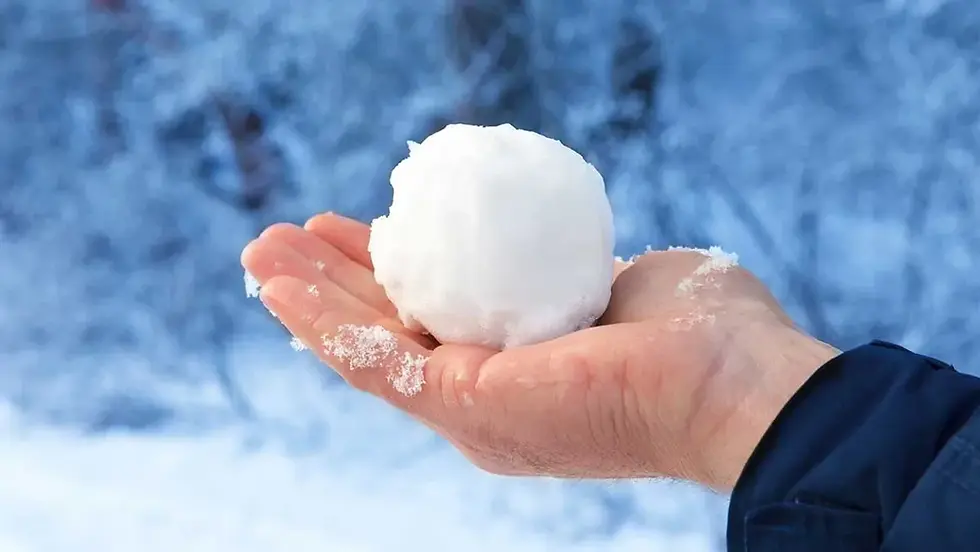
This is the classic "snowball snow." It packs well, feels dense, and weighs significantly more than dry snow. Heavy snowfalls in this category can strain trees, equipment, and even roofs.
How it affects removal:
Wet snow requires more power, heavier equipment, and slower plowing techniques. YPGA uses commercial-grade machinery to safely remove this snow without damaging pavement or landscaping.
Very Wet Snow (8% - 15% Water)
Now we're talking serious weight. Very wet snow is heavy, sticky, and exhausting to shovel by hand. This type often falls when temperatures hover right around freezing.
How it affects removal:
Because of its weight, it takes longer to clear and can quickly freeze into solid layers if not handled promptly. YPGA prioritizes properties experiencing this type of snowfall to prevent packed snow from becoming dangerous ice.

Slush (15% Water or More)
Slush is basically snow on its way to becoming water - messy, slippery, and quick to refreeze as temperatures drop.
How it affects removal:
Slush is one of the most hazardous winter conditions. It needs to be cleared immediately, and treatment is essential to prevent black ice. YPGA focuses on fast removal and proper salting or brine applications to keep surfaces safe.
Why Snow Type Matters for Your Property
Understanding the type of snow we're dealing with helps our team decide:
How many visits your property may need
What equipment is best for the storm
How much ice melt is appropriate
Where to move or pile snow safely
How to prevent refreeze and black ice
At YPGA, our crews stay on top of weather conditions and snow characteristics throughout every storm to deliver the safest, most effective service possible.
Winter Weather is Unpredictable - But Your Service Doesn't Have to Be
Whether we're dealing with powdery drifts, heavy wet snow, or slushy hazards, YPGA adjusts our approach to keep your walkways, driveways, and parking lots safe all winter long. Understanding the science behind snow ensures that every property gets the right care - every time.


Comments