
10 Ways to Protect Your Landscaping This Winter in Wisconsin
Your Guide to Preparing Your Property for Winter in Southeast Wisconsin
You might be ready for winter, but is your landscaping?
As temperatures begin to drop here in Southeast Wisconsin, most homeowners are busy putting away patio furniture, cleaning out garages, and getting their snowblowers ready. But what about the trees, shrubs, garden beds, and lawns you've spent all year maintaining?
Wisconsin winters can be tough on landscaping. Between freezing temperatures, heavy snowfall, hungry deer, rodents, and hard winter winds, your property can take quite a beating if it isn't properly prepared.
The good news? A little preparation now can go a long way toward protecting your landscaping and keeping your property looking its best when spring rolls around.
Here are 10 ways to protect your landscaping before winter arrives!

1) Protect Your Trees and Shrubs from Hungry Deer
As natural food sources become scarce during winter, deer often turn to residential landscaping for their next meal.
Unfortunately, some of their favorite snacks include arborvitae, yews, young trees, and ornamental shrubs. Deer browsing can leave plants looking bare, misshapen, or severely damaged by spring.
How to protect your landscaping:
Install protective deer fencing or enclosures around vulnerable plants.
Use appropriately sized barriers to keep deer from reaching branches.
Pay special attention to newly planted trees and shrubs.
Inspect existing fencing for gaps or damage before winter.
How YPGA Can Help: Our team can help protect vulnerable landscaping with seasonal deer enclosures and protective barriers, helping keep your trees and shrubs safe from unwanted visitors.

2) Wrap Vulnerable Evergreens with Burlap Protection
Have you ever noticed evergreen shrubs turning brown after particularly harsh winter?
This is often caused by winter burn, which occurs when evergreens lose moisture through their foliage but cannot replace it because the ground is frozen.
Cold, dry winds and intense winter sunlight can make the problem even worse.
How to protect your landscaping:
Install burlap windbreaks around susceptible evergreens.
Focus on plants exposed to strong winds or afternoon winter sun.
Avoid tightly wrapping burlap directly against foliage.
Make sure plants receive adequate moisture before the ground freezes.
How YPGA Can Help: We can help install protective burlap screens around susceptible evergreens and shrubs to reduce exposure to harsh winter conditions.

3) Remove Weeds, Leaves, and Debris to Discourage Rodents
Here's something many homeowners don't think about: your landscaping can become a cozy winter home for mice and voles!
Thick weeds, piles of leaves, and accumulated debris beneath shrubs provide sheltered areas where rodents can hide from predators and harsh weather.
While they're taking shelter, these small animals may also chew on bark and roots of trees and shrubs.
In severe cases, rodents can girdle young trees by chewing around the trunk, interrupting the flow of nutrients and potentially killing the tree.
How to protect your landscaping:
Remove excessive leaves and debris from beneath shrubs.
Pull weeds and clear dense vegetation around young trees.
Avoid piling mulch directly against tree trunks.
Install appropriate trunk guards on vulnerable young trees.
How YPGA Can Help: Our fall garden cleanups include removing unwanted weeds and accumulated debris, helping eliminate potential rodent hiding spots before winter.

4) Refresh Your Mulch Before Freezing Temperatures Arrive
Mulch isn't just for making your landscaping look nice!
A properly applied layer of mulch can help insulate plant roots, regulate soil temperatures, and reduce the effects of repeated freezing and thawing.
This is especially beneficial for newly planted trees, shrubs, and perennial gardens.
How to protect your landscaping:
Apply an appropriate layer of organic mulch around trees and shrubs.
Maintain roughly 2-3 inches of mulch in most landscape beds.
Keep mulch several inches away from trunks and stems.
Avoid creating mulch volcanoes around trees.
How YPGA Can Help: Our team can refresh your garden beds with new mulch, clean bed edges, and ensure mulch is properly installed to support healthy landscaping.
Plus, who doesn't love the look of freshly mulched garden beds?

5) Inspect Trees for Dead or Damaged Branches
Snow-covered trees might look beautiful, but heavy snow and ice can put significant stress on weak or damaged branches.
Dead, cracked, or structurally compromised limbs may be more likely to break during winter storms, potentially damaging your home, vehicles, fences, or surrounding landscaping.
How to protect your property:
Look for visibly dead, hanging, or broken branches.
Check for limbs extending over roofs, driveways, or walkways.
Schedule professional tree assessments when structural concerns are present.
Avoid attempting to remove large or hazardous limbs yourself.
How YPGA Can Help: Our tree care team can evaluate potential hazards or recommend appropriate pruning, deadwood removal, or other tree care services before winter weather arrives.

6) Remove Excess Leaves Before They Get Buried Under Snow
We get it. Raking leaves isn't exactly everyone's favorite fall activity!
But leaving thick layers of leaves on your lawn throughout winter can create problems when spring arrives.
Excessive leaf accumulation can block sunlight, trap moisture, and contribute to conditions that favor turf diseases, including snow mold.
Leaves can also collect in garden beds, drainage areas, and around structures.
How to protect your property:
Remove heavy leaf accumulation from lawns.
Mulch manageable amounts of leaves into the turf.
Clear leaves from drainage areas and walkways.
Remove excessive debris from garden beds while preserving beneficial habitat where appropriate.
How YPGA Can Help: Whether you need leaves mulched, blown into designated wooded areas, or completely removed and hauled away, our crew can help get your property cleaned up before the snow arrives.

7) Clean Gutters and Address Drainage Issues
Water doesn't stop causing problems just because temperatures drop below freezing.
Clogged gutters can prevent proper drainage, causing water to overflow and potentially contribute to ice buildup around your home.
Poor drainage around driveways, sidewalks, and landscape beds can also create icy conditions during freeze-thaw cycles.
How to protect your property:
Remove leaves, sticks, and debris from gutters.
Make sure downspouts direct water away from your foundation.
Clear blocked drainage areas.
Identify locations where water frequently pools or freezes.
How YPGA Can Help: We can assist with gutter cleaning, debris removal, and identifying drainage or grading concerns that should be addressed to better protect your property.
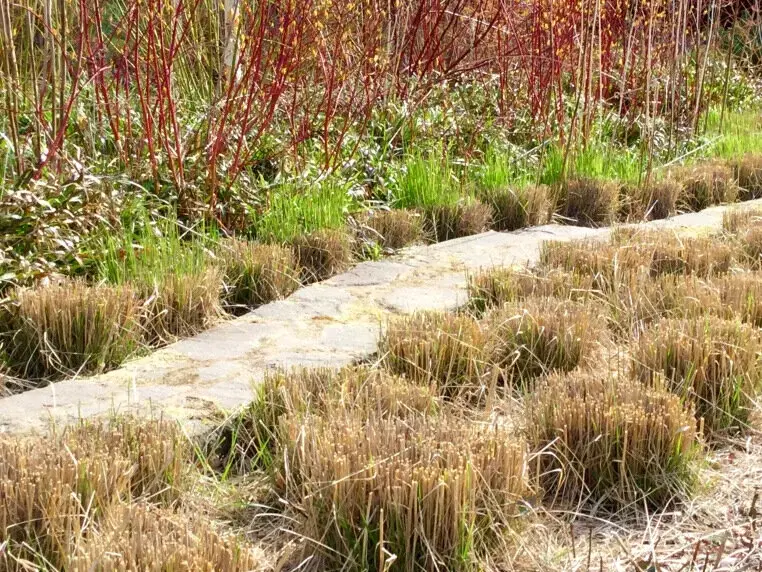
8) Prepare Your Perennial Gardens for Winter
Not every plant needs to be cut back in fall!
While some perennials benefit from seasonal cleanup, others can be left standing to provide winter interest, seeds for birds, and habitat for beneficial insects.
Knowing what to trim and what to leaf alone can make a big difference.
How to protect your gardens:
Remove diseased plant material to reduce potential problems next season.
Cut back appropriate perennials based on plant type.
Leave healthy seed heads and stems where beneficial.
Remove invasive weeds before they spread further.
How YPGA Can Help: Our garden maintenance team can provide selective perennial cutbacks, weeding, and seasonal bed maintenance tailored to your landscaping.
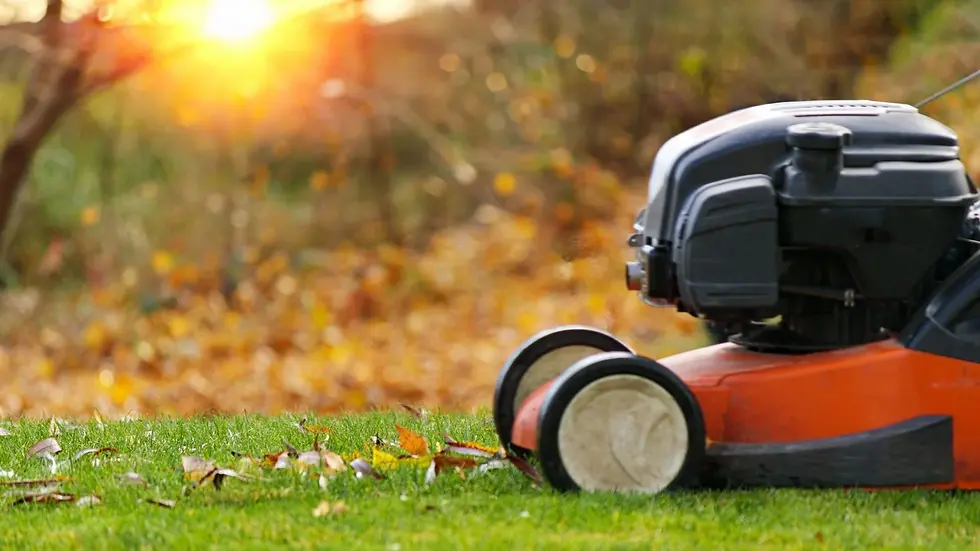
9) Give Your Lawn One Last Round of Attention
Your lawn might be slowing down for the season, but that doesn't mean it should be forgotten!
A few simple maintenance steps can help your grass enter winter in better condition and prepare for spring growth.
How to protect your lawn:
Complete a final mow at an appropriate height.
Remove excessive leaves and debris.
Avoid unnecessary traffic on frozen or frost-covered turf.
Consider appropriate seasonal lawn treatments when conditions allow.
How YPGA Can Help: From final mowing and leaf removal to seasonal lawn care, our team can help prepare your turf for the colder months ahead.

10) Have a Snow and Ice Management Plan in Place
Protecting your property during winter goes beyond your landscaping.
Snow-covered driveways, icy sidewalks, and slippery parking lots can quickly become safety concerns for homeowners, visitors, employees, and customers.
Planning ahead can make winter weather much easier to manage.
How to prepare:
Arrange snow removal before the first major snowfall.
Identify areas where snow can safely be piled.
Protect vulnerable landscaping near plowing routes.
Consider how deicing products may affect nearby plants and turf.
How YPGA Can Help: We provide residential and commercial snow and ice management services to help keep properties accessible throughout Wisconsin's winter season.
A Litter Winter Preparation Goes a Long Way!
Your landscaping is an investment, and taking the time to protect it before winter can help prevent avoidable damage, costly repairs, and disappointing surprises when spring arrives.
Whether it's protecting your arborvitae from hungry deer, preparing garden beds, cleaning up leaves, addressing potentially hazardous tree limbs, there's plenty you can do now to help your property make it through another Wisconsin winter.
And the best part? Your don't have to tackle it all yourself!
Let YPGA Help You Get Winter-Ready!
At Your Personal Gardener & Arborist, we're here to help homeowners and businesses throughout Southeast Wisconsin and Northern Illinois protect and maintain their properties year-round.
From fall cleanups and mulching to tree care, garden maintenance, and winter protection, our knowledgeable and friendly crew is ready to help!
Don't wait until the snow starts falling! Contact YPGA today to discuss how we can help get your property ready for winter.


Comments