
Why Overseeding Is One of the Best Investments You Can Make for Your Lawn
A thick, healthy lawn doesn't usually happen by accident.
Over time, even well-maintained lawns can start to thin out. Foot traffic, summer stress, compacted soil, harsh winters, and weed pressure can all leave grass looking patchy, weak, or worn down. Many homeowners assume this means they need a full lawn renovation - but often, a better solution is much simpler.
Overseeding is one of the most effective ways to improve lawn thickness, strengthen turf, and bring struggling grass back to life without starting from scratch.

What Exactly Is Overseeding?
Overseeding is the process of spreading new grass seed directly into an existing lawn to fill in thin areas, improve density, and encourage healthier overall growth.
Rather than tearing everything out and rebuilding, overseeding works with your current lawn to improve what's already there.
For homeowners dealing with sparse patches, uneven growth, or lawns that just don't look as full as they used to, overseeding can be practical and cost-effective solution.
Why Lawn Density Matters
A thicker lawn does more than just look nice.
Dense, healthy grass naturally helps:
Fill in bare spots
Reduce weed growth by crowding out unwanted plants
Improve drought tolerance
Increase disease resistance
Create a more durable lawn overall
Simply put, thicker turf creates a stronger lawn from the ground up.
Why Core Aeration Makes Overseeding Even More Effective
If overseeding is the upgrade, core aeration is what helps set it up for success.
Over time, soil becomes compacted, making it harder for water, oxygen, and nutrients to reach grassroots. Core aeration removes small plugs of soil, loosening compaction and creating better access below the surface.
When paired with overseeding, aeration improves seed-to-soil contact - one of the biggest factors in successful germination.
That means better seed growth, stronger root development, and better overall results.
Timing Matters - Especially in Wisconsin
Wisconsin lawns go through a lot - from harsh winters to summer heat - which is why timing plays a big role in long-term health.
While fall is often considered the prime season for overseeding thanks to cooler temperatures and ideal growing conditions, spring can also be a valuable time to strengthen your lawn - especially if winter left behind thin spots, patchy areas, or damage.
Spring overseeding can help jumpstart, improve lawn density, and set your yard up for healthier growth heading into the warmer months. When paired with proper lawn care and core aeration, it can be an effective way to rebuild after winter stress and create a stronger foundation for the season ahead.
No matter the season, the key is understanding what your lawn needs now to support healthier growth long-term.

Small Step, Big Payoff
Overseeding may not sound dramatic, but its impact can be.
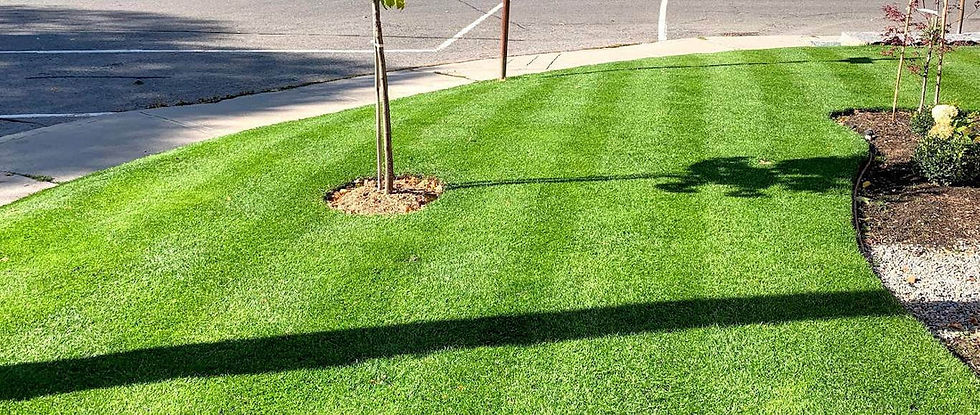
A fuller lawn doesn't just improve curb appeal - it can also help prevent future weed issues, reduce erosion, and strengthen your property's overall health.
For many homeowners, overseeding is the difference between a lawn that simply survives and one that actually thrives.
If your lawn has started looking thin, tired, or patchy, overseeding could be the simple step that makes a major difference. When combined with core aeration, it's one of the best ways to invest in a healthier, stronger lawn for seasons to come.


Comments